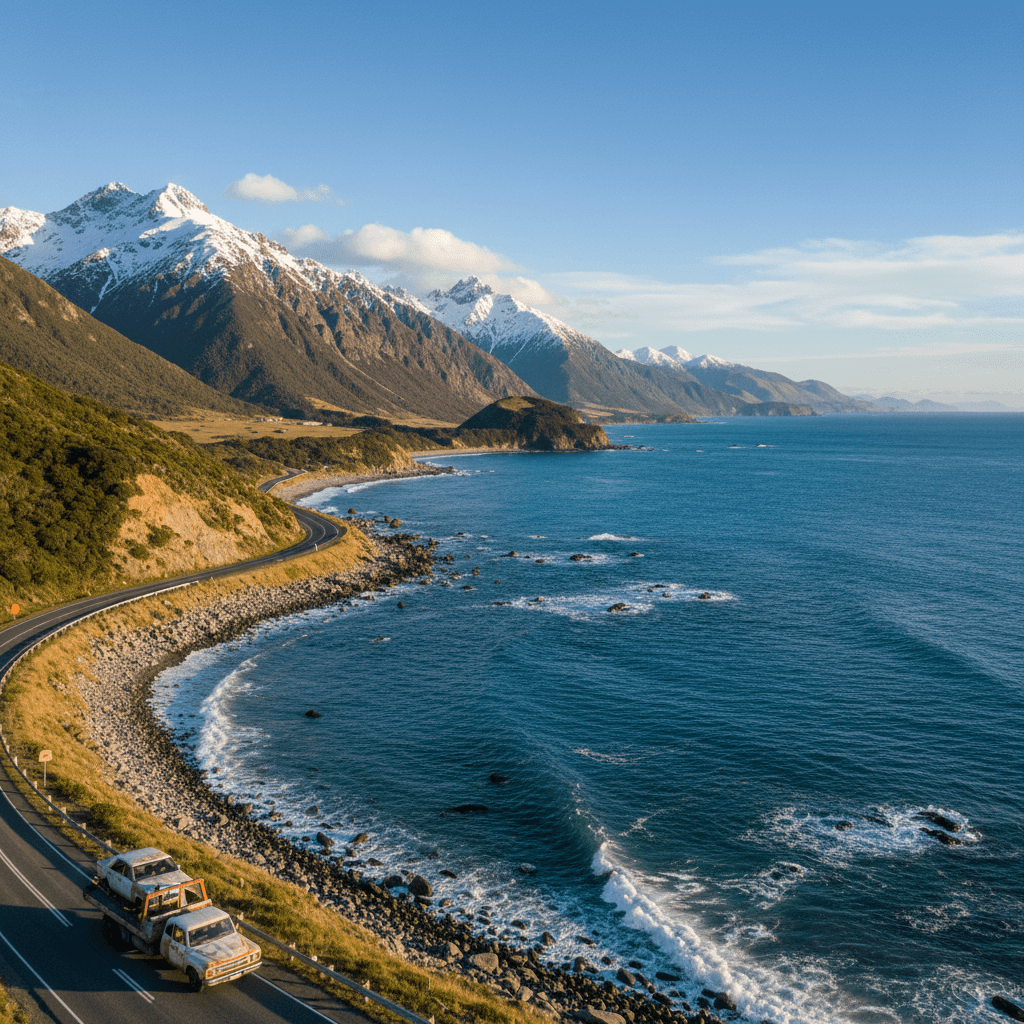
Wondering what to do with a scrap car in Kaikoura? Whether your vehicle has failed its WOF, been in an accident, or simply reached the end of its life, there are straightforward ways to turn it into cash. This guide walks you through the process of how to sell a scrap car in Kaikoura, what to expect, and how to get the best deal for your scrap vehicle in the Kaikoura district.
What’s in This Guide
- When Is a Car Considered Scrap?
- Deregistration and Paperwork
- How to Get the Best Price
- Red Flags to Watch Out For
- What Happens to Scrap Cars
- Ready to Sell?
- FAQs
When Is a Car Considered Scrap in New Zealand?
Not every old car is a scrap car. A vehicle is generally considered scrap when the cost of repairing it outweighs its market value. Here are the most common scenarios where a car crosses that threshold:
- Failed WOF with uneconomical repairs — when the repair bill is more than the car is worth, it’s time to consider scrapping.
- Major mechanical failure — a blown engine, seized transmission, or catastrophic gearbox failure can instantly push a vehicle into scrap territory.
- Accident damage — if the repair cost exceeds the vehicle’s value, insurance companies write it off. You can still sell the wreck.
- Severe structural rust — surface rust is cosmetic, but when rust eats through chassis rails, subframes, or structural panels, the car becomes unsafe and uneconomical to fix.
- Flood or fire damage — water and fire cause extensive hidden damage to wiring, electronics, and mechanical components.
- Age and accumulated wear — sometimes a car has simply done its time. Multiple failing systems at once make ongoing maintenance a losing game.
The Salt Air Factor in Kaikoura
If you own a car in Kaikoura, you’re dealing with one of New Zealand’s most corrosive coastal environments. The salt-laden air that rolls off the Pacific accelerates rust and corrosion significantly compared to inland Canterbury towns.
Cars in the Kaikoura district often deteriorate faster than identical models kept in Christchurch or further inland. Undercarriage components, brake lines, and body panels are particularly vulnerable. Even well-maintained vehicles show signs of coastal wear within a few years, and older cars can develop structural rust surprisingly quickly.
This means more vehicles in Kaikoura reach scrap status sooner than their owners expect. If you’ve noticed your car’s rust problems accelerating, you’re not imagining it — and you’re not alone.
Do You Need to Deregister a Scrap Car in NZ?
Understanding Vehicle Deregistration
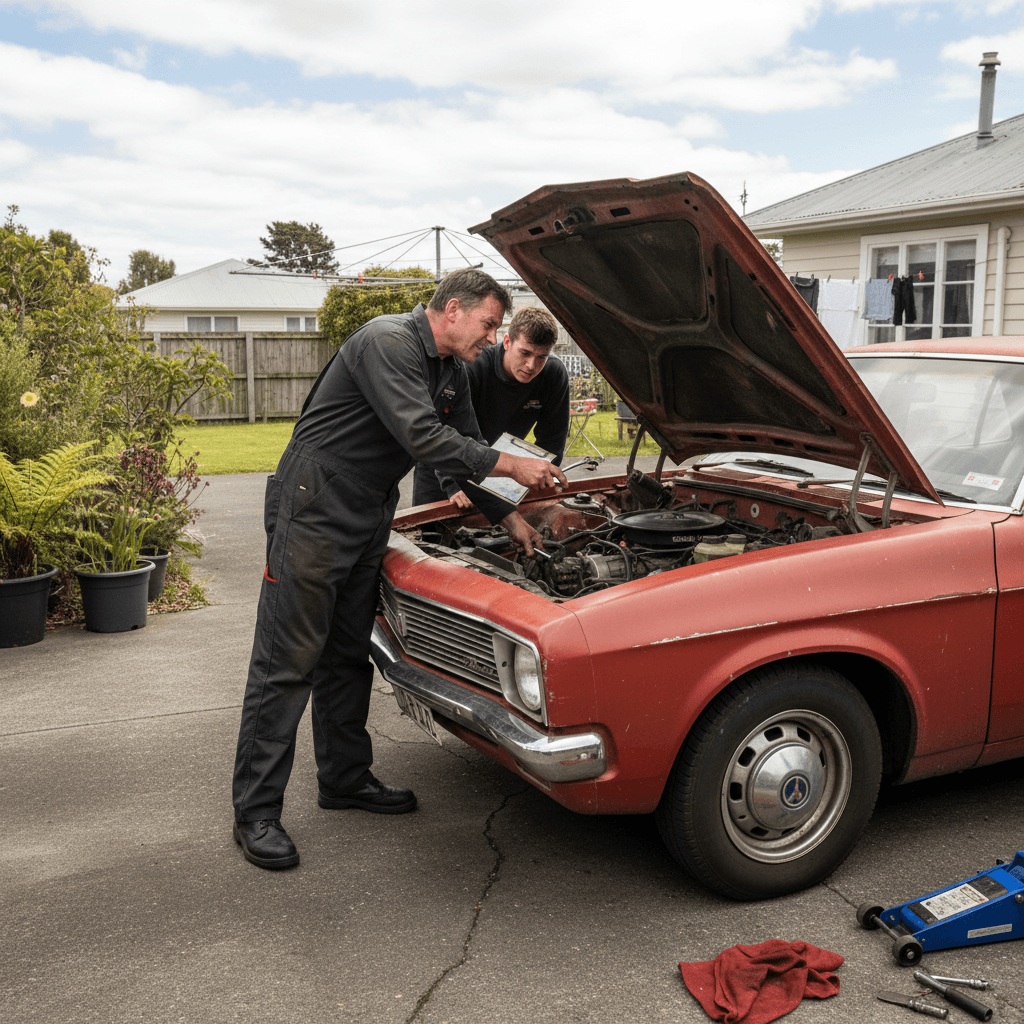
When a vehicle is permanently taken off the road in New Zealand, you should notify Waka Kotahi (NZTA). This ensures you’re no longer responsible for licensing fees and that the vehicle is properly recorded as off the road.
You can do this online through the NZTA website, and the process is straightforward. If you’re selling your scrap car to a wrecker, they will typically handle the deregistration on their end. However, it’s worth confirming this — because until ownership is officially transferred, you remain legally liable for the vehicle.
Transferring Ownership When Selling to a Wrecker
When you sell a scrap car in Kaikoura (or anywhere in NZ), both the buyer and seller need to notify NZTA of the change of ownership. Most reputable cash for cars services handle the buyer’s notification automatically.
Your responsibilities as the seller:
- Notify NZTA of the sale (online or by phone)
- Follow up within a week to confirm the transfer went through
- Keep a copy of any sale agreement or receipt for your records
- Remove your belongings and personal documents from the vehicle before handover
How to Get the Best Price for Your Scrap Car
Even though your car is scrap, that doesn’t mean you should accept the first number you hear. Here’s how to maximise your scrap car value in Kaikoura.
Be Honest About the Condition
This is the single most important piece of advice. Accurate descriptions lead to accurate quotes. If you overstate your car’s condition, you’ll likely get a revised (lower) offer when the buyer arrives to inspect it — and that’s a frustrating experience for everyone.
Mention the major issues upfront: no engine, fire damage, missing wheels, flat tyres, hasn’t run in years. A legitimate buyer won’t penalise you for honesty — they’ll appreciate it.
Get Multiple Quotes
Don’t settle for one quote. Contact two or three different services and compare what they offer. Quotes for the same vehicle can vary by hundreds of dollars depending on the buyer’s business model, current demand, and how far they need to travel for collection.
Kaikoura’s distance from major centres like Christchurch means not every Canterbury-based service will offer the same price. Some factor in travel costs more heavily than others.
Know What Adds Value
Several factors influence what your scrap car is worth:
- Running vs. non-running — a car that starts and drives is worth significantly more than one that doesn’t.
- Make and model — popular Japanese makes (Toyota, Nissan, Honda, Mazda) tend to fetch higher prices due to demand for their recyclable components.
- Completeness — a complete vehicle is worth more than one that’s been stripped.
- Kilometres — lower kilometres can add value even on older cars.
- Weight — larger, heavier vehicles often bring more simply because of their metal content.
Timing Can Matter (But Don’t Overthink It)
Scrap metal prices fluctuate with global commodity markets, and demand for certain makes and models varies throughout the year. That said, the price difference from month to month is usually modest. If you need the car gone, don’t wait months trying to time the market — the convenience of getting it off your property and cash in your hand is worth more than a potential $50 difference.
Red Flags to Watch Out For
Signs of an Unreliable Service
Unfortunately, not every operation offering to buy scrap cars is legitimate. Watch for these warning signs:
- They ask you to pay for removal — legitimate services offer free pickup. If someone wants to charge you for towing, walk away.
- No clear quote before collection day — you should know exactly what you’re being paid before the truck arrives.
- No receipt or proof of sale — a proper business provides documentation.
- High-pressure tactics — if they’re pushing you to decide on the spot, that’s a red flag.
- They don’t handle ownership transfer — this leaves you legally liable for a vehicle you no longer possess.
- No verifiable business presence — no website, no Google reviews, no fixed address.
Protecting Yourself
A few simple steps can save you from headaches:
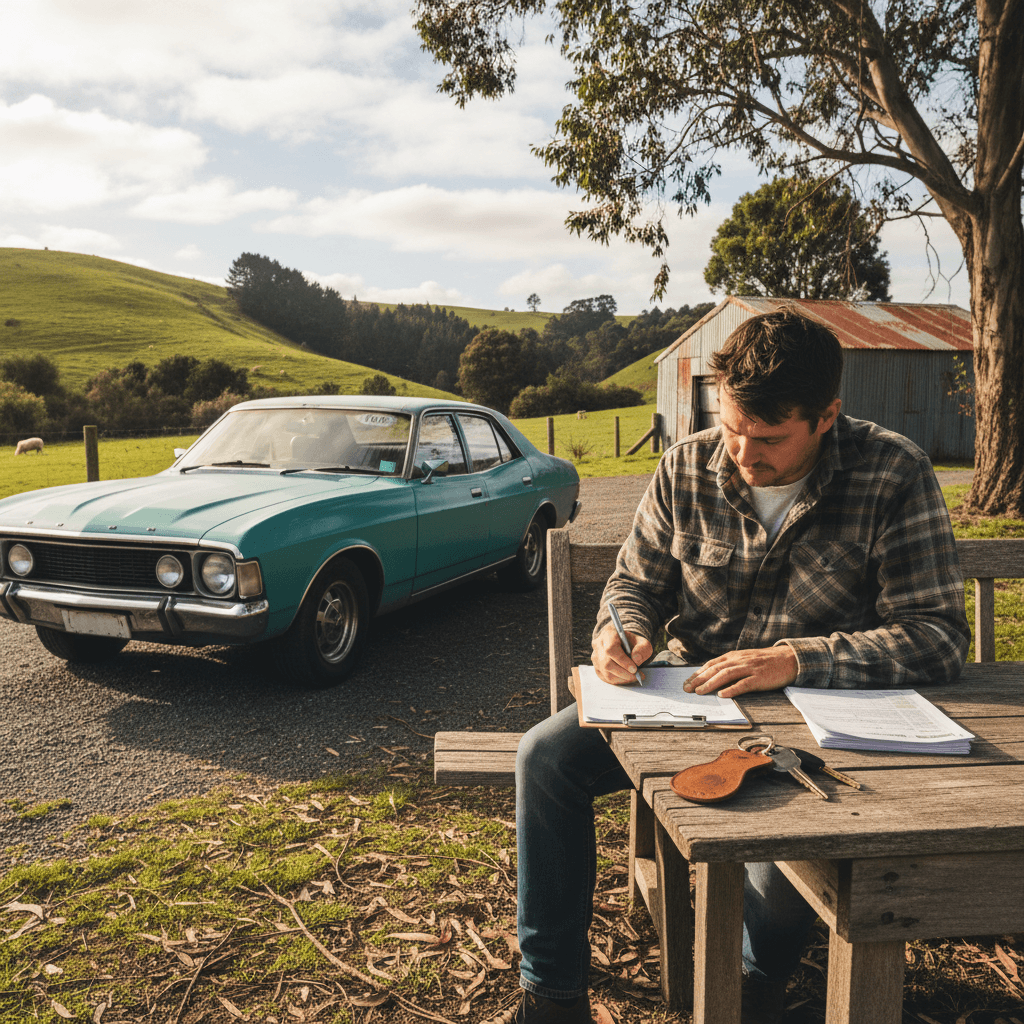
- Get the agreed price in writing (even a text message or email) before they arrive
- Take photos of the vehicle before handover as a record of its condition
- Don’t hand over the keys until you have your payment in hand
- Follow up with NZTA within a week to confirm the ownership transfer has been completed
What Happens to Scrap Cars (and Why It Matters)
The Environmental Side of Car Wrecking
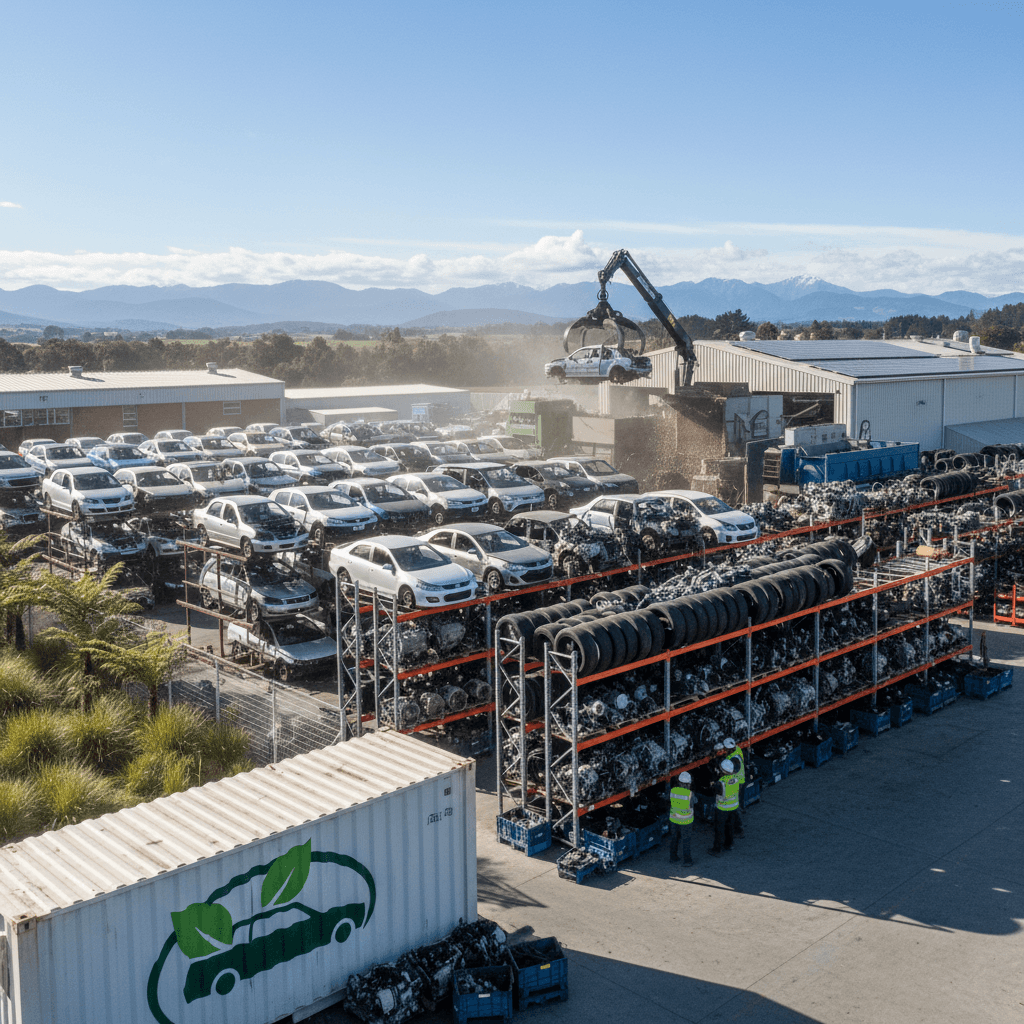
A scrap car isn’t just metal. Vehicles contain a range of hazardous materials — engine oil, coolant, transmission fluid, brake fluid, battery acid, and refrigerant. If these aren’t properly drained and disposed of, they contaminate soil and waterways.
Responsible car wreckers follow a systematic depollution process before any recycling begins. Fluids are drained and disposed of through licensed waste facilities. Batteries are removed for specialist recycling. Tyres go to dedicated tyre recyclers.
In a place like Kaikoura — known worldwide for its marine life, whale watching, and pristine coastal environment — responsible vehicle disposal matters even more. Leaving an old car to rust in a paddock or on a rural property doesn’t just look bad; it actively leaches contaminants into the ground.
Recycling Rates for End-of-Life Vehicles
The good news is that modern vehicle recycling is remarkably efficient:
- Up to 80% of a vehicle’s materials can be recycled
- Steel from scrapped cars is one of the most recycled materials on the planet
- Aluminium, copper, and other metals are recovered and reused
- Proper recycling reduces the need for mining new raw materials
When you sell your scrap car to a reputable wrecker, you’re not just getting cash — you’re ensuring the vehicle is processed responsibly rather than slowly polluting the Canterbury environment.
Ready to Sell Your Scrap Car in Kaikoura?
To recap, here’s the process in a nutshell:
- Assess your car — is it genuinely scrap, or could it still be repaired economically?
- Get quotes — contact two or three services and compare offers.
- Verify the buyer — check for reviews, a business address, and a clear process.
- Prepare the paperwork — have your registration details ready and know how ownership transfer works.
- Remove your belongings — check the glove box, boot, under seats, and any personal items.
- Arrange collection — confirm the price, the pickup time, and that you’ll receive payment on the spot.
You can learn more about how car wreckers operate in Kaikoura in our companion guide, which covers the local industry in detail. If you’re ready to get a quote for your scrap car in Kaikoura, visit our cash for cars Kaikoura page to request a free, no-obligation offer.
Frequently Asked Questions
Can I sell a scrap car without registration papers in Kaikoura?
In most cases, yes. You’ll need to prove ownership through other means such as previous correspondence from NZTA or a statutory declaration. Contact the buyer to discuss your specific situation — most experienced services deal with this regularly.
How much is a scrap car worth in Kaikoura?
It depends on the make, model, condition, and weight. Small non-running cars might fetch $200–$500, while larger or running vehicles can be worth several thousand dollars. The best way to find out is to get a direct quote based on your vehicle’s details.
Does coastal damage from Kaikoura’s salt air reduce my car’s value?
Surface rust is expected on Kaikoura vehicles and doesn’t significantly impact scrap value. Structural rust may reduce the price slightly, but the vehicle still holds value in its metal weight and recyclable materials.
How quickly can a scrap car be collected from Kaikoura?
Most services operating across the Canterbury region can arrange collection within 24–48 hours, and sometimes same-day depending on scheduling and your location within the Kaikoura district.
Do I need to be home when the car is collected?
Yes, you’ll typically need to be present to sign over ownership, hand over the keys, and receive your payment. This protects both you and the buyer.
What if I have multiple scrap cars to sell?
Most services are happy to quote on multiple vehicles at once. You may even be able to negotiate a better overall deal when selling more than one car at a time — it saves the buyer a return trip.